Who Must Fast in Ramadan?
Complete Guide (Who must fast) Obligations & Exemptions
Ramadan fasting is one of the Five Pillars of Islam, but not every Muslim is required to observe it in the same way. Understanding who must fast — and who receives exemptions — is essential for every Muslim. Islamic law provides clear, compassionate guidelines that balance religious obligation with individual circumstances. This comprehensive guide explains the fasting requirements, temporary exemptions, permanent exceptions, and how to properly compensate for missed fasts.
📖 In This Guide:
📋 Who Must Fast?
Fasting during Ramadan is mandatory (fard) for Muslims who meet specific conditions. Islamic scholars agree that the obligation applies to those who are:
- Muslim: Fasting is an Islamic religious duty, required only for followers of Islam.
- Adult (reached puberty): The obligation begins at puberty, not at a specific age.
- Sane and mentally capable: Those with severe mental illness preventing understanding are not obligated.
- Physically healthy: Good health and physical ability to endure fasting without serious harm.
- Resident (not traveling): Those at home, not on a journey exceeding the distance for travel concessions.
- Free from temporary conditions: Not menstruating, experiencing postpartum bleeding, or facing conditions where fasting would cause harm.
📖 Surah Al-Baqarah 2:185
This verse establishes the foundational rule: whoever is present and able during Ramadan should observe the fast.
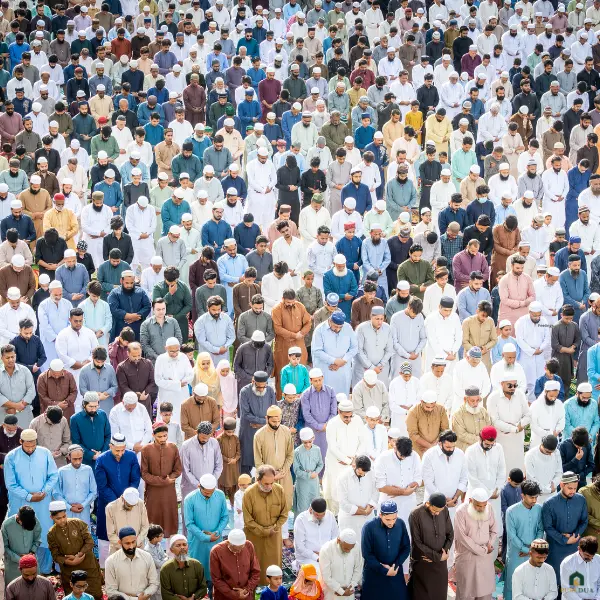
Over 1.8 billion Muslims unite in fasting every Ramadan — a pillar of faith and devotion
🌱 When Does the Fasting Obligation Begin?
Islamic law bases the requirement on puberty, not a specific age.
- For girls: First menstruation marks the beginning of obligation.
- For boys: First nocturnal emission (wet dream).
- For both: Age 15 is the absolute maximum, even without other signs.
What About Younger Children?
Children who haven't reached puberty are not required to fast. However, many Muslim families encourage gradual practice — starting with half days, fasting a few days during Ramadan, and building stamina progressively.
The Prophet Muhammad's ﷺ companions would have their children fast and provide toys to distract from hunger — showing a compassionate, gradual method of teaching.
— Reported from the Companions RA⏳ Temporary Exemptions
Islamic law recognizes situations where fasting causes genuine hardship. These exemptions reflect Islam's balance between obligation and mercy.
✈️ Travelers on Journeys
Muslims traveling distances exceeding approximately 48 miles (77 km) may break their fast. Allah says:
📖 Surah Al-Baqarah 2:185
🤒 Those Experiencing Illness
Anyone with medical conditions that make fasting harmful may postpone fasting. This includes acute illnesses, chronic conditions worsened by fasting, and conditions requiring daytime medication.
"Allah loves that His concessions be taken just as He loves that His obligations be fulfilled."
— Prophet Muhammad ﷺ · Musnad Ahmad🌸 Menstruating Women
Women experiencing menstruation are not permitted to fast — this is a divine ruling, not merely an exemption. Missed days should be made up after Ramadan.
Aisha (may Allah be pleased with her) explained: "We were commanded to make up the fasts but were not commanded to make up the prayers." (Sahih Bukhari) — This is a mercy from Allah, not a punishment.
🤱 Pregnant and Nursing Mothers
Expectant and breastfeeding mothers receive exemptions if fasting endangers their health or their baby's wellbeing. Both healthcare providers and knowledgeable Islamic scholars should be consulted.
- If breaking the fast due to concern for the baby, make up days later when able.
- Some scholars permit feeding the poor instead if making up fasts proves too difficult.
- The mother's and baby's health always take priority.
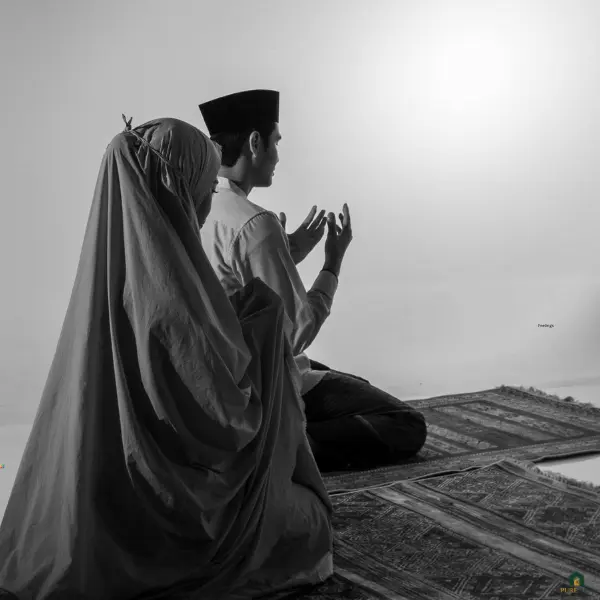
Islam pairs obligation with compassion — mercy is always at the heart of its rulings
♾️ Permanent Exemptions & Fidyah
Some people face permanent inability to fast due to age or chronic illness.
👴 The Elderly
Older people for whom fasting causes severe hardship or danger are permanently exempt — particularly those with extreme frailty or conditions significantly worsened by fasting.
🏥 Chronically Ill
Those with permanent conditions making fasting impossible — advanced kidney disease, severe diabetes, cancer, or progressive illnesses with no expectation of recovery.
💛 Compensation Through Fidyah
Those permanently unable to fast must provide fidyah — feeding one needy person for each missed day.
📖 Surah Al-Baqarah 2:184
Fidyah typically means providing a complete meal to someone in poverty, or giving money equivalent to feeding someone — approximately $10–15 per day in most regions (amounts vary by location and cost of living).
📅 Making Up Missed Fasts
For those with temporary exemptions, missed fasts must be completed before the next Ramadan begins.
Flexible Scheduling
Make-up fasts can be performed consecutively or spread throughout the year — whatever is easier for the individual.
Permissible Timing
Make-up fasts can occur on any day except the two Eid holidays and the Days of Tashreeq (11th, 12th, 13th of Dhul-Hijjah).
Same Requirements
Make-up fasts follow identical rules to Ramadan — abstain from food, drink, and other prohibitions from dawn until sunset.
"I would have debts of fasting from Ramadan and I would not be able to make them up except in Sha'ban."
— Aisha (RA) · Sahih BukhariIf someone delays without valid reason until the next Ramadan arrives: They must still complete the missed fasts, also provide fidyah for each delayed day, and sincerely repent for the delay.
❓ Special Situations & Common Questions
Working Professionals
Employment doesn't constitute an exemption. Muslims with jobs should adjust schedules when possible and stay well-hydrated during non-fasting hours.
Athletes and Students
Physical exertion or exam stress don't create exemptions. Athletic training can be adjusted to non-fasting hours, and study schedules modified for optimal energy.
Accidentally Eating While Fasting
If someone forgets they're fasting and eats or drinks — the fast remains completely valid. No make-up day is required and no sin is incurred.
"Whoever forgets that he is fasting and eats or drinks, let him complete his fast, for Allah has fed him and given him to drink."
— Prophet Muhammad ﷺ · Sahih BukhariNew Converts to Islam
Someone who embraces Islam during Ramadan begins fasting immediately upon conversion. They are not required to make up pre-conversion days.
Living in Extreme Climates
For those in far northern or southern regions with extremely long days, scholars generally recommend following the fasting times of the nearest location with standard day/night cycles, or following Mecca's schedule.
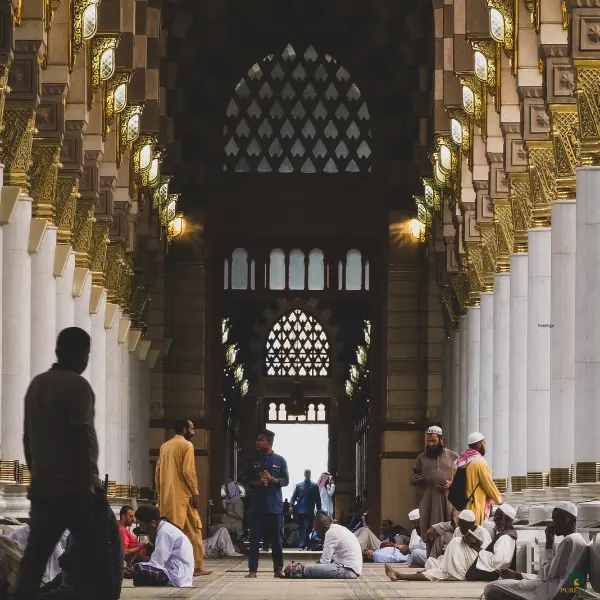
Ramadan unites the Muslim community — in obligation, in mercy, and in worship
💡 The Wisdom Behind Islamic Exemptions
- Obligation paired with compassion: Islam maintains high spiritual standards while extending mercy to those facing genuine hardship.
- Health prioritized: The religion never requires self-harm. When fasting endangers wellbeing, the requirement is lifted.
- Equality with flexibility: The core obligation applies universally, but exemptions ensure justice for diverse circumstances.
- Spiritual intent protected: Legitimate exemptions prevent guilt and pressure, allowing positive relationships with worship to flourish.
"Religion is ease, and no one makes the religion difficult except that it will overcome him."
— Prophet Muhammad ﷺ · Sahih Bukhari📖 Allah's Mercy in Fasting
📖 Surah Al-Baqarah 2:185
Every exemption in Islamic law is a reflection of this divine principle. Allah designed Ramadan fasting to elevate and purify — never to harm. The concessions exist because Allah knows our limitations better than we know ourselves.
🤍 Final Reflection
If you are able to fast during Ramadan, embrace it as a tremendous blessing — millions cannot fast due to illness, age, or circumstances beyond their control, and they deeply miss the spiritual rewards available to you.
If you receive an exemption, don't feel inadequate or ashamed. Allah's wisdom grants these concessions for good reason. Fulfill your duty through compensation when required, and engage in other forms of worship — sincere dua, generous charity, Quran recitation, and constant remembrance of Allah.
May Allah accept the fasts of those who fast, grant healing to the sick, ease to those in difficulty, and His infinite mercy to all believers. 🌙