What Breaks Your Fast?
Complete Guide to Fasting Invalidators
Understanding what breaks your fast in Ramadan is essential for every Muslim. While fasting seems straightforward — no eating or drinking from dawn to sunset — Islamic law provides detailed guidance on what actually invalidates the fast and what doesn't. This comprehensive guide clarifies the rules, addresses common questions, and helps you maintain a valid fast throughout the blessed month.
📖 In This Guide:
- What Makes a Fast Valid?
- What Definitely Breaks the Fast
- Medical Matters: Medications & Treatments
- Smoking & Vaping
- Dental & Oral Care
- What About Tasting Food?
- Accidental Actions: The Mercy of Forgetfulness
- Common Misconceptions
- Timing: When Does the Fast Begin & End?
- What to Do If You Break Your Fast
📋 What Makes a Fast Valid?
Before exploring what invalidates the fast, let's establish the basics. A valid Ramadan fast requires three things:
Intention (Niyyah)
Made in the heart before dawn — dedicating the fast sincerely to Allah alone.
Abstinence
Refraining from specific acts from dawn (Fajr) until sunset (Maghrib).
Consciousness
Being aware and in control of one's actions. This distinction is crucial — accidents and forgetfulness are treated very differently than deliberate acts.
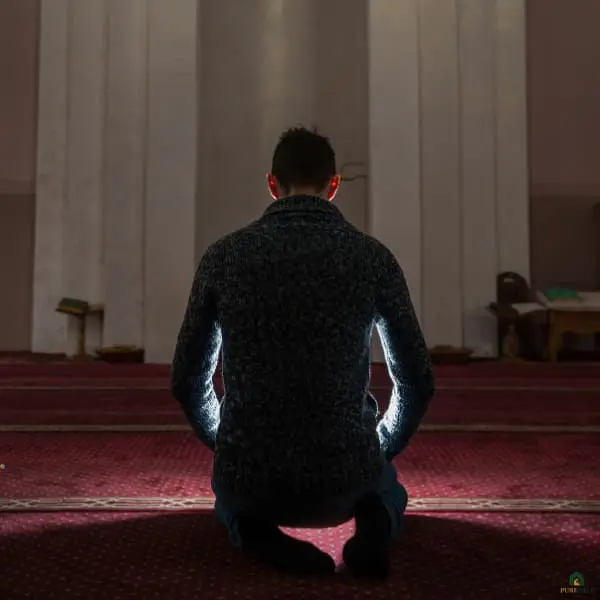
A valid fast begins in the heart — with sincere intention before the break of dawn
❌ What Definitely Breaks Your Fast
Islamic scholars unanimously agree on several actions that invalidate the fast:
Eating or Drinking Intentionally
Consuming any food or drink intentionally during fasting hours breaks the fast — regardless of quantity. The fast is only broken if the person remembers they are fasting and chooses to eat or drink.
Intentional Vomiting
Deliberately inducing vomiting breaks the fast. However, if vomiting happens naturally without effort, the fast remains valid.
"Whoever is overcome by vomiting, he does not have to make up the day, but whoever vomits intentionally, let him make up the day."
— Prophet Muhammad ﷺ · TirmidhiMarital Relations
Intimate relations between spouses during fasting hours invalidate the fast — requiring making up the missed day and, in some schools of thought, additional expiation (kaffara).
Menstruation or Postpartum Bleeding
If a woman's cycle begins during the fasting day — even moments before sunset — the fast is automatically invalid. She should break the fast and make up the day later. This is Allah's ruling, not a personal failing.
💊 Medical Matters: Medications & Treatments
This area causes much confusion. Here's a clear breakdown:
❌ DOES Break the Fast
- Oral medications (pills, syrups)
- Nutritional IV drips
- Asthma inhalers (majority opinion)
- Nutritional suppositories
✅ Does NOT Break the Fast
- Non-nutritional injections & insulin
- Eye drops and ear drops
- Topical creams & patches
- Blood tests
- Dialysis (most contemporary scholars)
Important: Those with medical conditions requiring frequent medication should consult both their doctor and an Islamic scholar to find solutions that protect both health and worship.

Islamic law provides clear guidance — protecting both worship and wellbeing
🚬 Smoking & Vaping
Smoking cigarettes, vaping, or using any tobacco products breaks the fast — without exception. The smoke enters the body intentionally through the mouth and throat during fasting hours.
- Traditional cigarettes
- Electronic cigarettes (vaping)
- Shisha / hookah
- Cigars and any tobacco products
Silver lining: Ramadan provides an excellent opportunity to quit these harmful habits entirely. Millions of Muslims use Ramadan as their turning point — if you can go without it all day, you can go without it forever.
🦷 Dental & Oral Care
❌ DOES Break the Fast
- Intentionally swallowing toothpaste
- Deliberately swallowing water while rinsing
- Dental fillings during fasting hours (may involve swallowing substances)
✅ Does NOT Break the Fast
- Brushing teeth (without swallowing)
- Using miswak (highly recommended Sunnah)
- Rinsing mouth during wudu
- Accidentally swallowing tiny amounts
The Prophet ﷺ encouraged using miswak throughout the day — showing that oral hygiene during fasting is not only permitted but recommended.
— Sunnah of the Prophet ﷺ👨🍳 What About Tasting Food?
Tasting Without Swallowing
A cook may taste food with the tip of the tongue to adjust seasoning, then spit it out. This doesn't break the fast according to many scholars — as long as nothing is swallowed.
Chewing Food for a Baby
Mothers who chew food for infants — as long as nothing is swallowed — maintain a valid fast. Though it's better to avoid this practice if possible.
The key principle: Nothing should be intentionally swallowed. Any substance that goes down the throat invalidates the fast.
🤍 Accidental Actions: The Mercy of Forgetfulness
Eating or Drinking While Forgetting
If someone genuinely forgets they are fasting and eats or drinks — the fast remains valid. No make-up day required and no sin committed.
"Whoever forgets that he is fasting and eats or drinks, let him complete his fast, for Allah has fed him and given him to drink."
— Prophet Muhammad ﷺ · Sahih BukhariUnintentional Swallowing
Small amounts accidentally swallowed while rinsing the mouth during wudu, or natural saliva, do not break the fast. The religion is built on ease, not hardship.
Wet Dreams During the Day
If a person experiences a wet dream while napping, this does NOT break the fast. They should perform ghusl and continue fasting — this is not in their control.
✅ What Does NOT Break Your Fast
Many people believe certain actions invalidate the fast when they actually don't:
- Swallowing saliva: Natural saliva never breaks the fast.
- Smelling perfumes or scents: Doesn't affect the fast.
- Applying lotion, oil, or cosmetics: External applications don't invalidate fasting.
- Swimming or bathing: Permissible — just be careful not to swallow water.
- Giving blood or blood donation: Doesn't break the fast.
- Having a wet dream: Not voluntary, so it doesn't affect the fast.
- Kissing one's spouse: Permissible with self-control.
- Using kohl or eye liner: Doesn't break the fast.
- Non-nutritional injections: Insulin, vaccines — don't invalidate the fast.

Islam's fasting rules are built on clarity, mercy, and ease — not burdensome complexity
⏰ Timing: When Does the Fast Begin & End?
Dawn (Fajr) — Fast Begins
The fast begins at true dawn (Fajr Sadiq) — when a horizontal line of white light appears across the horizon. This is the time of Fajr prayer. Eating or drinking after this time breaks the fast.
Sunset (Maghrib) — Fast Ends
The fast ends when the sun completely disappears below the horizon. It is Sunnah to break the fast immediately at this time — don't delay.
Common mistake: Some people stop eating well before Fajr out of extreme caution. The Sunnah is to eat Suhoor right up until the Fajr adhan.
🛤️ What to Do If You Break Your Fast
If You Break It Accidentally
Continue fasting for the rest of the day. No make-up required and no expiation needed — Allah is Most Merciful.
If You Break It Intentionally
Stop the actions that broke it. Continue abstaining for the rest of the day out of respect for Ramadan. Make up that day after Ramadan and sincerely repent to Allah.
If You Break It Due to Necessity
Take care of your health first — Islam always prioritizes wellbeing. Make up the day later when able. No sin, as it was necessary.
📖 Allah's Command on Fasting
📖 Surah Al-Baqarah 2:187
Allah defined the boundaries of fasting with precision and mercy — eat until Fajr, fast until Maghrib. The rules exist not to burden, but to guide and purify.
🤍 Final Reflection
Understanding what breaks your fast helps you observe Ramadan properly and with confidence. Approach fasting with knowledge, sincerity, and balance — not obsessive worry over tiny matters.
True fasting means restraining both the body and the soul. Physical rules matter, but so does guarding the tongue, eyes, and heart throughout the blessed day.
May Allah accept your fasts, forgive your mistakes, and grant you the full rewards of Ramadan. 🌙