Suhoor & Iftar
Rules & Best Practices for Ramadan
Suhoor & Iftar are the two most important meals of Ramadan, marking the beginning and end of each fasting day. While many Muslims focus solely on abstaining during daylight hours, understanding the proper rules and Sunnah practices for Suhoor and Iftar is essential for maximizing both physical wellbeing and spiritual rewards. This comprehensive guide covers everything you need to know about these blessed meals — from timing and etiquette to recommended foods and common mistakes to avoid.
📖 In This Guide:
🌅 What is Suhoor? The Pre-Dawn Meal
Suhoor (also spelled Suhur or Sahur) is the pre-dawn meal eaten before Fajr prayer. It's the last opportunity to eat and drink before beginning the day's fast.
Why Suhoor is Essential
"Take Suhoor, for indeed there is blessing in Suhoor."
— Prophet Muhammad ﷺ · Sahih Bukhari"The difference between our fasting and the fasting of the People of the Book is eating Suhoor."
— Prophet Muhammad ﷺ · Sahih Muslim- Physical strength and energy for the fasting day
- Following the Prophet's ﷺ Sunnah
- Angels send blessings upon those eating Suhoor
- Opportunity for dua in the blessed time before dawn
- Distinguishes Islamic fasting from other fasting practices
💡 Even if you're not hungry, eating something small at Suhoor carries tremendous spiritual reward.
⏰ Suhoor Timing: When to Eat
Getting the timing right is crucial for a valid fast.
The Sunnah Timing
The Prophet ﷺ delayed Suhoor as much as possible. His companion Zaid ibn Thabit said: "We ate Suhoor with the Prophet ﷺ then he stood for prayer. I asked: 'How much time was there between the adhan and Suhoor?' He replied: 'The time it takes to recite 50 verses.'" (Sahih Bukhari)
Practical Guidelines
Stop eating when Fajr begins
The fast officially starts at true dawn (Fajr Sadiq), which is when the Fajr adhan sounds in your location.
Don't stop too early
Some people stop eating 10–15 minutes before Fajr out of extreme caution. While caution is good, the Sunnah is to eat until Fajr time arrives.
Use reliable prayer times
Check accurate Fajr times for your location. Many Islamic apps and websites provide precise timings.
⚠️ Common mistake to avoid: Eating after Fajr begins invalidates the fast and requires making up that day.

The blessed pre-dawn meal — eaten close to Fajr in the most spiritually charged time of day
🥗 Best Foods for Suhoor
Choosing the right foods makes fasting easier and healthier.
🌾 Complex Carbohydrates
- Whole grain bread
- Oatmeal
- Brown rice
- Whole wheat pasta
🥚 Protein Sources
- Eggs
- Greek yogurt & cheese
- Beans and lentils
- Nuts and nut butter
🥑 Healthy Fats
- Avocado
- Olive oil
- Nuts and seeds
- Fatty fish
💧 Hydrating Foods
- Cucumber & lettuce
- Watermelon
- Oranges
- Soup
✅ Recommended at Suhoor
- Dates — the Prophet's ﷺ Suhoor
- Water — hydrate well before dawn
- Complex carbs for sustained energy
- Protein to keep hunger at bay
❌ Foods to Limit
- Salty foods — cause thirst during the day
- Sugary foods — cause energy crashes
- Spicy foods — can cause heartburn
- Excess caffeine — leads to dehydration
"What an excellent Suhoor for the believer are dates."
— Abu Huraira · Abu Dawood💡 Practical tip: Prepare simple Suhoor options the night before to avoid rushing and make healthier choices.
🌇 What is Iftar? Breaking the Fast
Iftar is the meal that breaks the day's fast at sunset (Maghrib time). This moment is spiritually significant and carries special blessings.
The Spiritual Significance
"The fasting person has at the time of breaking fast a supplication which is not rejected."
— Prophet Muhammad ﷺ · Ibn Majah🤲 The immediate moment before breaking the fast is one of the most blessed times in the entire day — take advantage of it for sincere supplication.
⏰ Iftar Timing: When to Break Your Fast
Precision in timing ensures your fast is complete and valid.
Break the Fast Immediately at Sunset
"The people will continue to be upon goodness as long as they hasten to break the fast."
— Prophet Muhammad ﷺ · Sahih BukhariDon't delay
Breaking the fast immediately when Maghrib enters is Sunnah. Delaying without reason goes against the Prophet's ﷺ guidance.
Sunset = Maghrib time
The fast ends when the sun completely disappears below the horizon — the time when the Maghrib adhan sounds.
Be certain
If in doubt about whether sunset has occurred, check a reliable Islamic app, listen for the Maghrib adhan, or wait a few extra minutes for certainty.
⚠️ Important: Breaking the fast even one minute before Maghrib invalidates it and requires making up that day.
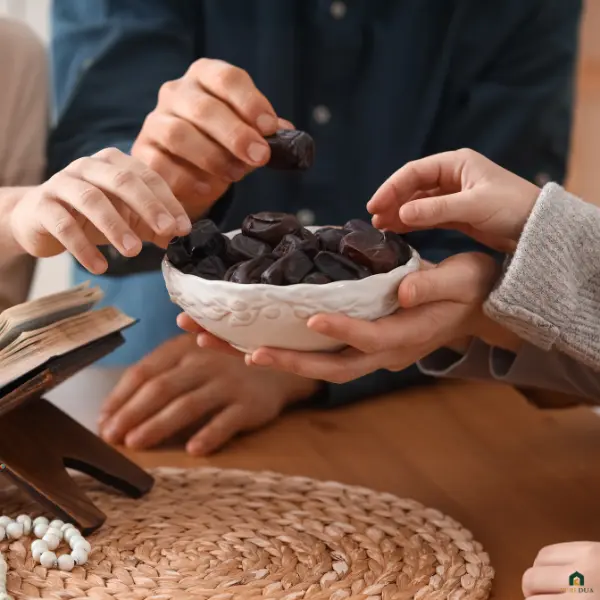
The sacred moment of Iftar — break it with dates, water, and a heart full of dua
🤲 The Sunnah Way to Break Your Fast
The Prophet ﷺ established a beautiful step-by-step practice for Iftar. Following it transforms every evening into an act of worship.
Step 1 — Break with dates and water
Anas ibn Malik reported: "The Prophet ﷺ used to break his fast with fresh dates before praying. If there were no fresh dates, he would use dried dates. If there were no dried dates, he would take a few sips of water." (Abu Dawood)
Why dates? Quick energy source (natural sugars) · Easy to digest after fasting · Rich in nutrients · Following the Prophet's ﷺ Sunnah
Step 2 — Make dua
After eating dates and before the main meal, raise your hands and make sincere dua. The Prophet ﷺ would say:
📖 Source: Abu Dawood
Step 3 — Pray Maghrib
After breaking fast with dates and making dua, pray Maghrib prayer immediately. Food can wait — the prayer cannot.
Step 4 — Eat the main meal
After Maghrib prayer, sit down and eat your main Iftar meal with gratitude, calmness, and moderation.
🥘 Best Foods for Iftar
After a day of fasting, your body needs balanced nutrition. Start light, rehydrate, then eat a full balanced meal.
💧 Hydration First
- Water (gradually, not all at once)
- Fresh juices (no added sugar)
- Soups
- Herbal teas
🍗 Lean Proteins
- Chicken or fish
- Beans and lentils
- Eggs
- Low-fat dairy
🌾 Complex Carbs
- Brown rice
- Whole grains
- Sweet potatoes
- Whole grain bread
🥦 Vegetables & Fruits
- Salads
- Cooked vegetables
- Fresh fruits
- Avocado
✅ Good Iftar Choices
- 🌴 Dates — quick energy & Sunnah
- 💧 Water — rehydrate gradually
- Light soup — gentle on digestion
- Balanced, moderate portions
❌ Foods to Limit
- Fried & greasy foods
- Excessive sweets
- Very salty foods — next-day thirst
- Carbonated drinks — bloating
"The son of Adam does not fill any vessel worse than his stomach."
— Prophet Muhammad ﷺ · Tirmidhi⚠️ Common Suhoor & Iftar Mistakes
Avoid these errors to optimize your Ramadan experience.
Suhoor Mistakes
- Skipping Suhoor entirely — loses spiritual reward and makes fasting harder
- Eating too early — stops eating an hour before Fajr unnecessarily
- Eating only heavy, greasy foods — causes discomfort throughout the day
- Drinking excessive caffeine — leads to withdrawal headaches while fasting
- Not drinking enough water — results in dehydration
Iftar Mistakes
- Overeating — causes stomach pain and prevents Taraweeh prayer
- Breaking fast late without reason — goes against the Sunnah
- Eating too fast — leads to digestive issues
- Starting with heavy foods — shocks the digestive system after fasting
- Neglecting Maghrib prayer — prioritizing food over prayer
🌿 Suhoor & Iftar Etiquette
Beyond the rules, observe the beautiful etiquette the Prophet ﷺ established for these two sacred daily moments.
🌙 At Suhoor
- Wake family members for Suhoor
- Eat together as a family when possible
- Make intention (niyyah) for fasting
- Perform wudu and prepare for Fajr
- Make dua in the blessed pre-dawn time
- Avoid arguing or negative conversation
🌇 At Iftar
- Break fast immediately at Maghrib
- Start with dates and water
- Make sincere dua before eating
- Pray Maghrib first, then eat
- Invite others to share Iftar
- Avoid excessive food prep that prevents worship
- Thank Allah for His blessings
"Whoever gives food to a fasting person to break his fast, he will have a reward like his, without that detracting from the reward of the fasting person in the slightest."
— Prophet Muhammad ﷺ · Tirmidhi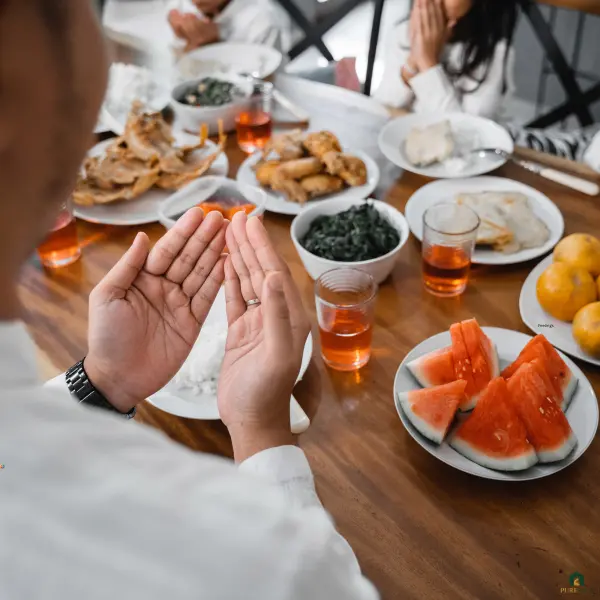
Sharing Iftar with family and guests carries tremendous reward — an act of worship in itself
🌍 Special Situations
Travelling
- Calculate prayer times for your current location
- Carry dates and water for Iftar when travelling
- Make Suhoor even if times are different from home
- Adjust gradually to new time zones
Working Professionals
- Set alarms for Suhoor — don't miss the blessing for extra sleep
- Pack healthy Iftar if breaking fast at work
- Take a brief break at Maghrib to break fast properly
- Communicate with employers about prayer time needs
Students with Exams
- Prioritize nutritious Suhoor for brain function and focus
- Stay hydrated during non-fasting hours
- Break fast with balanced Iftar before studying
- Don't sacrifice sleep entirely for worship — balance is key
📖 Allah's Guidance on Fasting Times
📖 Surah Al-Baqarah 2:187
Allah defined the boundaries of the fast with perfect clarity — eat and drink until Fajr; fast until Maghrib. Suhoor and Iftar are not merely meals. They are the sacred bookends of a day spent entirely in worship, gratitude, and closeness to Allah.
🤍 Final Reflection
Suhoor and Iftar are not merely meals — they're acts of worship when done with the right intention and according to the Sunnah. These blessed times offer opportunities for physical nourishment, spiritual elevation, family bonding, and drawing closer to Allah.
Approach both meals with gratitude — thank Allah for providing sustenance. With mindfulness — eat with awareness and moderation. With spirituality — remember the purpose beyond physical needs. And with community — share food and blessings with others.
May Allah accept your fasts, bless your meals, and make every Suhoor and Iftar a means of drawing closer to Him. 🌙