Taraweeh Prayer
Complete Guide for Ramadan
Taraweeh prayer is one of the most beloved and spiritually rewarding acts of worship during Ramadan. These special night prayers transform the month into a time of deep connection with Allah and the Quran. Yet many Muslims have questions about Taraweeh — how many rak'ahs to pray, whether it's obligatory, how to perform it properly, and what makes this prayer so special. This comprehensive guide answers all your questions and helps you maximize the spiritual benefits of these blessed nights.
📖 In This Guide:
- What is Taraweeh Prayer?
- How Many Rak'ahs in Taraweeh?
- How to Pray Taraweeh: Step-by-Step
- Taraweeh in Congregation vs. Alone
- The Quran and Taraweeh
- Common Mistakes in Taraweeh
- Taraweeh for Those Who Can't Stand Long
- Taraweeh with Family
- The Last 10 Nights and Taraweeh
- Etiquette and Manners for Taraweeh
- Rewards of Taraweeh
🌙 What is Taraweeh Prayer?
Taraweeh (also spelled Tarawih) refers to the voluntary night prayers performed specifically during Ramadan nights, typically after Isha prayer.
The Meaning of Taraweeh
The word comes from the Arabic root meaning "to rest" or "to relax." It's called this because worshippers traditionally take short breaks between sets of rak'ahs to rest and reflect on what has been recited.
The Spiritual Significance
"Whoever stands (in prayer) during Ramadan with faith and seeking reward, his previous sins will be forgiven."
— Prophet Muhammad ﷺ · Sahih BukhariThis tremendous promise of complete forgiveness makes Taraweeh one of Ramadan's greatest blessings. It is a nightly opportunity for a clean slate.
Is Taraweeh Obligatory?
📌 Taraweeh is Sunnah Mu'akkadah (strongly recommended Sunnah), not obligatory (fard). However, the immense rewards make it essentially essential for anyone seeking to maximize their Ramadan experience. The Prophet ﷺ prayed Taraweeh, as did his companions, and Muslims have continued this practice for over 1,400 years.
🔢 How Many Rak'ahs in Taraweeh?
This is one of the most common questions about Taraweeh. The answer is that multiple numbers are all permissible — what matters most is quality and sincerity.
The Historical Practice
Aisha (RA) was asked about the Prophet's ﷺ night prayers in Ramadan. She said:
"He would not exceed eleven rak'ahs in Ramadan or otherwise."
— Aisha (RA) · Sahih BukhariCurrent Common Practices
Follows the Prophet's ﷺ most common practice. The strongest Sunnah evidence.
Established during Umar (RA)'s caliphate. Widely practiced in mosques worldwide.
Practiced in some communities and historically in Makkah. All are permissible.
✨ All these numbers are permissible. The key is praying with sincerity and focus, completing what you start, and prioritizing quality over quantity. Even 4 or 8 rak'ahs prayed with presence of heart are better than 20 rushed without focus.
💡 Don't skip Taraweeh entirely just because you can't complete 20 rak'ahs. Pray what's manageable with quality and consistency. The Prophet ﷺ emphasized: "Pray what you can handle."
🤲 How to Pray Taraweeh: Step-by-Step
Taraweeh follows the same format as any voluntary prayer, performed in units of two rak'ahs.
Basic Structure
Make intention: Decide in your heart to pray Taraweeh (Qiyam al-Layl) for Allah's sake.
Pray in sets of 2 rak'ahs: After every 2 rak'ahs, give salam to complete the unit, take a brief rest or make dhikr, then begin the next set.
Conclude with Witr: After completing your Taraweeh sets, pray Witr (1, 3, 5, 7, or 11 rak'ahs — most commonly 3). This completes your night prayer.
Detailed Instructions for Each 2 Rak'ahs
Stand and make takbeer — say "Allahu Akbar"
Recite opening supplication (optional), then Surah Al-Fatihah
Recite another surah or verses from the Quran
Perform ruku (bowing), then stand up from ruku
Perform sujood (prostration) twice, sitting briefly between them
Stand for the second rak'ah — repeat steps 2–5
Sit for Tashahhud (at-tahiyyat), then give salam to right and left
Rest briefly, make dhikr, then repeat for the next set
💡 If praying 20 rak'ahs: Pray 10 sets of 2 rak'ahs each, take short breaks between sets, then conclude with 3 rak'ahs Witr.
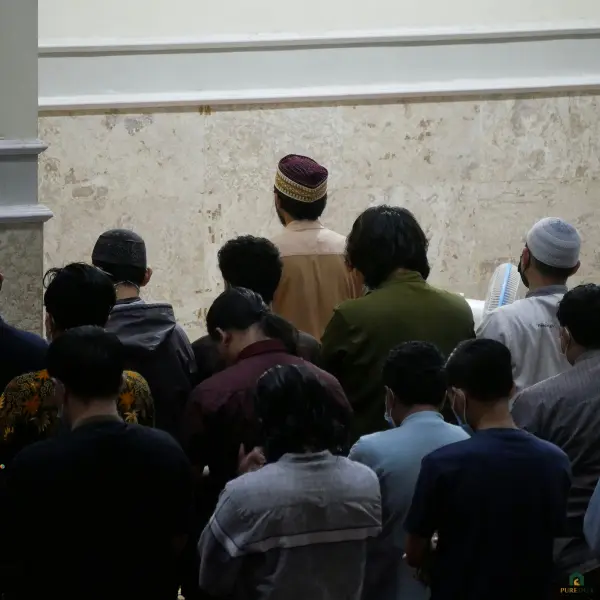
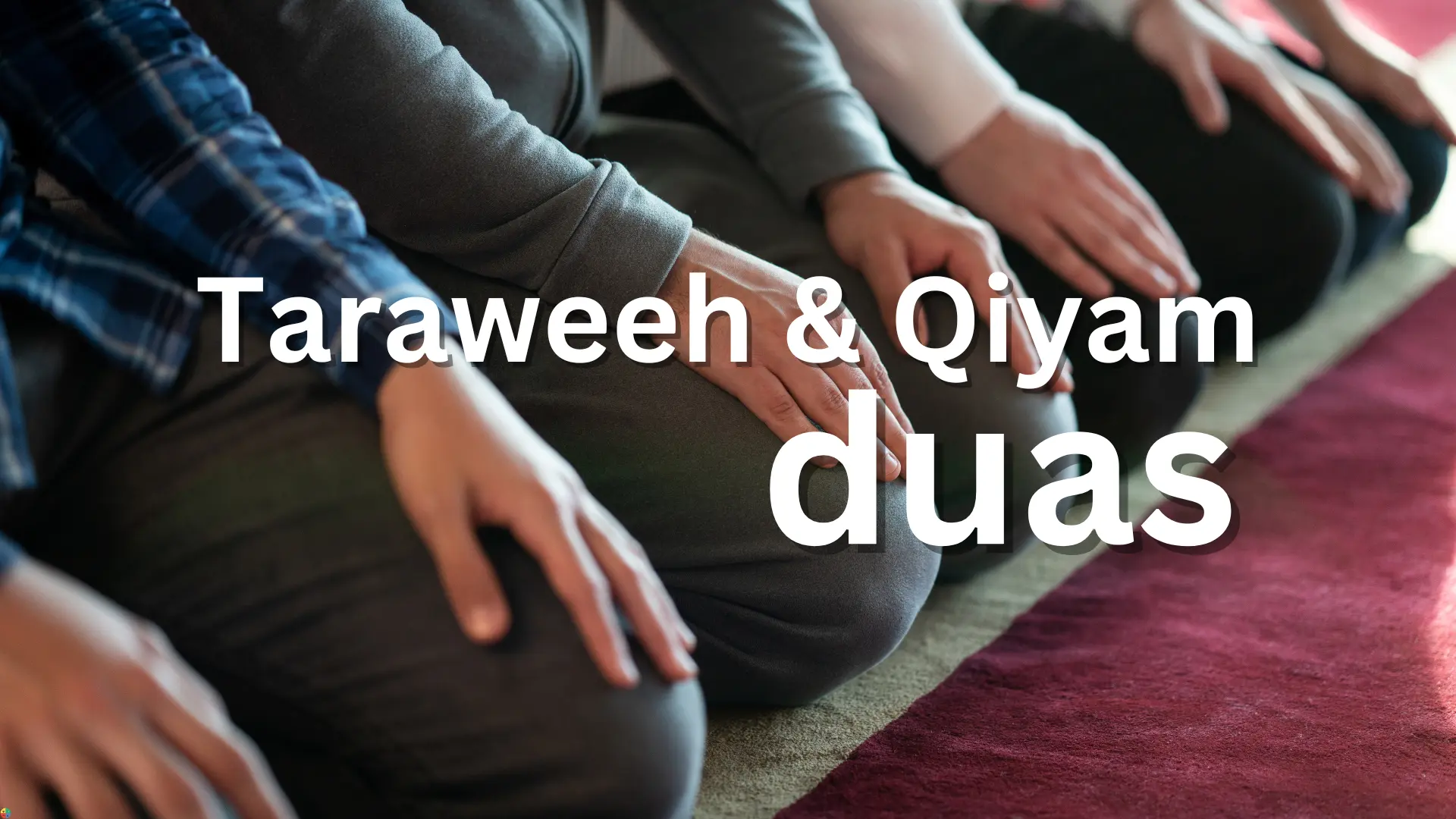
Standing before Allah in the blessed nights of Ramadan — one of worship's greatest honors
🕌 Taraweeh in Congregation vs. Alone
Both are permissible, and both carry tremendous rewards. Each has its own distinct benefits.
🕌 Praying in the Mosque
- Following the established Sunnah
- Rewards multiplied 27 times over praying alone
- Powerful community spirit and connection
- Imam completes the full Quran over the month
- Easier for those who don't memorize long surahs
- Motivation and consistency through community
🏠 Praying at Home
- Can be done together as a family
- More flexible timing for busy schedules
- Ability to take your time in each position
- Can tailor the length to your capacity
- Privacy and comfort for women who prefer
- Special reward for women praying at home
The Prophet ﷺ initially prayed Taraweeh in congregation for a few nights, then stopped to avoid making it seem obligatory. Later, Umar (RA) formalized congregational Taraweeh, and it has been practiced in mosques ever since.
✨ Best of both worlds: Consider praying in the mosque on weekends or special nights (especially the 27th night), at home on busy weekdays, and mixing both for variety and benefit throughout the month.
For Women Specifically
"Do not prevent the female servants of Allah from going to the mosques of Allah, but their houses are better for them."
— Prophet Muhammad ﷺ · Abu DawoodWomen can pray Taraweeh at the mosque and earn great reward, or pray at home for even more privacy and the special reward promised for women who pray at home.
📖 The Quran and Taraweeh
One of Taraweeh's main purposes is completing the Quran during Ramadan — connecting the month of fasting to the month the Quran was revealed.
The Traditional Practice
Imams aim to complete the entire Quran over Ramadan's Taraweeh prayers: 30 juz ÷ 29–30 nights = approximately 1 juz per night. This means longer recitations each night, but the rewards are immense.
"Whoever recites a letter from the Book of Allah will receive a reward, and the reward will be multiplied by ten."
— Prophet Muhammad ﷺ · TirmidhiBenefits of Listening to the Complete Quran
- Receiving the Quran's blessings fully throughout the month
- Understanding its comprehensive and complete message
- Connecting Ramadan to the Quran — the month it was revealed
- Earning reward for every letter heard with attention
If Praying at Home
💡 Recite longer surahs you've memorized, or recite shorter surahs multiple times. Quality of recitation and reflection matter more than length. A short surah recited with deep focus earns more than a long one rushed carelessly.
⚠️ Common Mistakes in Taraweeh
Avoid these errors to improve your experience and maximize your reward:
❌ 1. Rushing Through Prayer
Some mosques race through Taraweeh so quickly that proper prayer positions aren't maintained. The Prophet ﷺ emphasized: "Pray as you have seen me pray." (Sahih Bukhari) Ensure complete stillness in ruku and sujood, proper recitation, and mindful movements throughout.
❌ 2. Treating It Like a Chore
Taraweeh should be approached with excitement, anticipation, presence, and gratitude for the opportunity — not as a burden to race through. These nights are limited and irreplaceable.
❌ 3. Missing It Because You're "Too Tired"
Shaytan tries to prevent good deeds. Fight through the laziness: take a short nap before Taraweeh, have a light Iftar to avoid sluggishness, and remember the immense rewards that await. Tiredness passes — missed nights don't come back.
❌ 4. Only Attending the 27th Night
While the 27th night is special, don't neglect the other nights. The Prophet ﷺ prayed throughout all of Ramadan, intensifying only in the last 10 nights — not skipping the first 20. Every night of Taraweeh is a chance at forgiveness.
❌ 5. Lack of Focus and Khushu
Taraweeh without presence of heart earns limited reward. Work on understanding what you're reciting, reflecting on the meanings, feeling Allah's presence, and avoiding all distractions. A few rak'ahs with full focus are worth more than many without it.
💚 Taraweeh for Those Who Can't Stand Long
Islam is merciful and accommodating. No one should feel excluded from Taraweeh's blessings due to health limitations.
"Pray standing; if you cannot, then sitting; if you cannot do even that, then lying on your side."
— Prophet Muhammad ﷺ · Sahih Bukhari- Pray sitting: If standing is difficult, sit on a chair or the floor — the prayer is fully valid
- Shorten the prayer: Pray fewer rak'ahs with quality rather than many with pain and distraction
- Pray at your own pace: If the mosque prayer is too fast, pray at home at a comfortable, mindful speed
✨ If you are pregnant, elderly, or ill: Pray what you can handle. Sitting is completely acceptable. Even 2 or 4 rak'ahs earn reward. Allah judges by sincerity and effort, not by quantity.
👨👩👧 Taraweeh with Family
Making Taraweeh a family practice creates beautiful memories, strengthens bonds, and builds a lasting religious identity in children.
For Young Children
- Keep it short — 4 to 8 rak'ahs is ideal
- Let them lead if they've memorized surahs — they'll love the honor
- Make it fun, encouraging, and celebratory
- Reward their participation generously
For Teenagers
- Involve them in planning the prayer time and surahs
- Let them choose some surahs to recite
- Discuss the meanings of what was recited after prayer
- Encourage but never force — make it something they want to do
💡 Tips for family Taraweeh success: Set a consistent time each night, create a dedicated prayer space, keep it realistic in length, focus on quality and enjoyment, and praise every effort — however small.
⭐ The Last 10 Nights and Taraweeh
The final third of Ramadan deserves special attention during Taraweeh. This is when worship should intensify, not slow down.
"When the last ten days came, the Prophet ﷺ would tighten his waist belt, spend his nights in prayer, and wake his family."
— Aisha (RA) · Sahih BukhariSpecial Practices for the Last 10 Nights
- Longer prayers: Extend Taraweeh and add extra voluntary prayers after
- Seek Laylatul Qadr: The Night of Power is worth more than 1,000 months of worship
- Make abundant dua: Especially the special Laylatul Qadr dua
- Stay in the mosque longer: Arrive early and leave late when possible
- Perform I'tikaf: The spiritual retreat of the last 10 nights
The Dua for Laylatul Qadr
🤍 Etiquette and Manners for Taraweeh
Observe proper behavior to enhance the communal experience and help others worship with focus:
Arrive early — get a good spot and prepare your heart before the prayer begins
Dress modestly — appropriate Islamic dress for entering the house of Allah
Silence your phone — completely, not just on vibrate. Avoid all distractions
Don't leave early — complete the entire prayer including Witr for full reward
Don't chat during prayers — focus yourself and help others to focus too
Control children — keep young kids quiet or take them out if disruptive
Be considerate — don't block paths, crowd spaces, or distract those around you
No eating in the prayer hall — if you need dates, step outside to eat
✨ Rewards of Taraweeh
Understanding the blessings of Taraweeh is what drives consistency throughout the month.
🤍 Complete Forgiveness
The Prophet ﷺ promised forgiveness of all previous sins for whoever stands in Ramadan with faith and seeking reward.
🌟 Standing Before Allah
The special honor of standing in Allah's presence during the blessed hours of Ramadan's nights.
📖 Quran Connection
Hearing or reciting the entire Quran — every letter multiplied 10 to 700 times in reward.
🤝 Community Bonds
Strengthening ties with fellow Muslims in the communal worship that has united the Ummah for 1,400 years.
⭐ Night Prayer Status
Achieving the elevated rank of those who worship Allah in the night — the most beloved to Him.
🌿 Multiplied Rewards
Every good deed in Ramadan is multiplied. Every letter of Quran, every moment of standing, every prostration.
📖 Qur'anic Reminder About Night Prayer
📖 Surah As-Sajdah 32:16
This is the description of those who rise for night prayer — may Allah make us among them every Ramadan and beyond.
🤍 Final Reflection
Taraweeh prayer is more than just additional rak'ahs — it's a nightly journey with the Quran, a conversation with Allah, and a community gathering in worship. Whether you pray 8, 11, or 20 rak'ahs, whether in the mosque or at home, the key is consistency, sincerity, and quality.
Don't let a single Ramadan night pass without standing before your Lord. These prayers are limited — only 29 or 30 nights per year. When they're gone, they're gone until next Ramadan.
May Allah accept your Taraweeh, grant you forgiveness, and make you among those who earn complete reward for standing in Ramadan. 🌙