Itikaf in Ramadan
Spiritual Retreat in the Last 10 Days of Ramadan
Itikaf represents one of the most profound spiritual practices in Islam — a complete withdrawal from worldly life to dedicate oneself entirely to Allah's worship. Performed during Ramadan's final ten days, I'tikaf offers a unique opportunity to seek Laylatul Qadr, purify the soul, and experience uninterrupted connection with the Creator. This comprehensive guide explains everything about Itikaf: its meaning, benefits, rules, and practical guidance for those seeking this transformative spiritual retreat.
📖 In This Guide:
- What is I'tikaf?
- The Prophet's ﷺ Practice of I'tikaf
- Types and Duration of I'tikaf
- Who Can Perform I'tikaf?
- Rules and Conditions of I'tikaf
- The Immense Benefits of I'tikaf
- How to Perform I'tikaf: Practical Guide
- Daily Routine During I'tikaf
- Challenges and How to Overcome Them
- I'tikaf for Those Who Can't Do Full 10 Days
- After I'tikaf: Maintaining the Spiritual High
🕌 What is I'tikaf?
I'tikaf (also spelled Itikaf or Itikaaf) comes from the Arabic word meaning "to seclude oneself" or "to devote oneself." In Islamic practice, it is the act of secluding oneself in a mosque for a specific period with the sole intention of worshiping Allah — withdrawing completely from worldly affairs and distractions.
The Spiritual Essence
I'tikaf represents the ultimate form of devotion — a deliberate exchange of the world for Allah's presence:
🚪 Leaving Behind
- Work and business
- Family and home comforts
- Social engagements
- Entertainment and leisure
- All worldly distractions
🤲 To Focus Solely On
- Prayer and worship
- Quran recitation and study
- Dhikr (remembrance of Allah)
- Dua (supplication)
- Deep spiritual reflection
🌙 The Prophet's ﷺ Practice of I'tikaf
I'tikaf is a firmly established Sunnah that the Prophet ﷺ never abandoned throughout his life.
"The Prophet used to perform I'tikaf in the last ten days of Ramadan until he passed away. Then his wives performed I'tikaf after him."
— Aisha (RA) · Sahih Bukhari- The Prophet ﷺ performed I'tikaf every single Ramadan without exception
- He never abandoned this practice — establishing it as Sunnah Mu'akkadah
- His family continued it after him — a testament to its immense value
- The primary purpose was seeking Laylatul Qadr in the last 10 nights
📌 When the Prophet ﷺ was shown that Laylatul Qadr falls in the last 10 days of Ramadan, he began performing I'tikaf to maximize his chances of catching it. This is the single most powerful reason to perform I'tikaf.
📋 Types and Duration of I'tikaf
🌙 Voluntary I'tikaf (Sunnah/Nafl)
- Most common type — available to all
- Can be performed anytime of year
- Any duration (even a few hours)
- No oath or vow required
- Strongly recommended during last 10 days
⚖️ Obligatory I'tikaf (Wajib)
- When someone makes an oath or vow
- Must be fulfilled once vowed
- Specific conditions based on the vow
- Breaking it without valid reason is sinful
- Less common — applies to those who vow it
Duration Options
✨ The full last 10 days — the traditional and most rewarded period. Enter before Maghrib on the 20th of Ramadan (start of the 21st night) and continue until the Eid moon is sighted. Shorter periods — a few days, one day and night, or even a few hours — are all valid and beneficial.
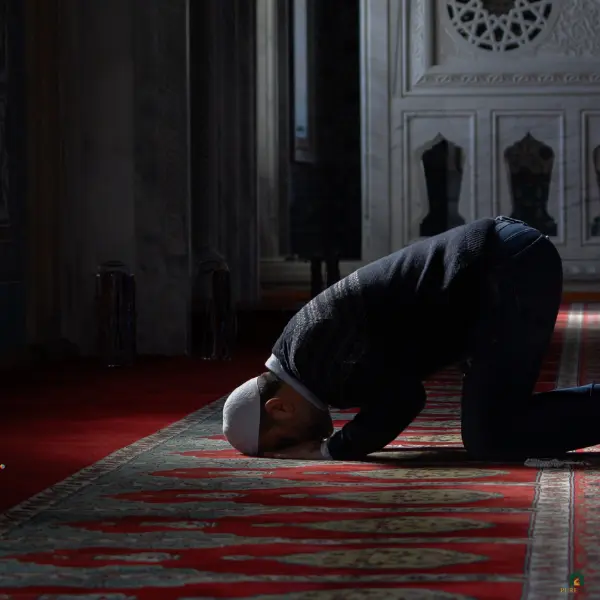
The mosque becomes your entire world during I'tikaf — a sanctuary of worship away from all distractions
👥 Who Can Perform I'tikaf?
For Men
- Any adult Muslim man can perform I'tikaf
- Must be in a mosque where congregational prayers are held
- Should seek permission from family, especially if married
For Women
Women can also perform I'tikaf. Aisha (RA) and other wives of the Prophet ﷺ performed I'tikaf in the mosque during his lifetime and after.
📌 Some scholars say women should perform I'tikaf in the mosque (with proper facilities and safety). Others permit I'tikaf in a designated prayer area at home. Most agree: women's I'tikaf should be in the safest, most modest environment available.
Requirements for All
- Must be Muslim with sound mind
- Must have reached puberty
- Must be in a state of purity — not menstruating or experiencing postpartum bleeding
⚖️ Rules and Conditions of I'tikaf
Understanding the rules ensures your I'tikaf is valid and accepted by Allah.
Essential Conditions
- Intention (Niyyah): Make a clear, sincere intention to perform I'tikaf for Allah's sake alone
- Must be in a mosque: I'tikaf must be performed in a mosque (or designated prayer area for women)
- Continuous stay: Once you enter I'tikaf, you must remain within the mosque boundaries
✅ Permitted During I'tikaf
- Using the bathroom
- Performing wudu and ghusl
- Eating and drinking
- Basic hygiene and grooming
- Necessary medical care
- Teaching Islamic knowledge
- Brief necessary conversations
- All forms of prayer and dhikr
❌ What Breaks or Harms I'tikaf
- Leaving the mosque without valid reason
- Marital relations (completely prohibited)
- Worldly business transactions
- Excessive unnecessary talking
- Arguments and debates
- Using phone for entertainment
- Sleeping excessively
- Wasting time on idle matters
⚠️ Valid reasons to leave: Natural necessities (bathroom), obligatory matters like a genuine family emergency, Friday prayer if your mosque doesn't hold Jumu'ah. Leaving for any other reason breaks the I'tikaf.
✨ The Immense Benefits of I'tikaf
⭐ Guaranteed Laylatul Qadr
By staying all 10 nights, you definitively catch Laylatul Qadr — worth more than 83 years of worship.
🤍 Soul Purification
Intensive worship purifies the heart from worldly attachment, sins, pride, envy, and spiritual heedlessness.
🕌 Closeness to Allah
Continuous worship in Allah's house creates unparalleled intimacy with your Creator.
📵 Breaking Addiction to Distraction
10 days without social media, entertainment, and daily routines resets your entire relationship with the dunya.
💡 Mental Clarity
The simplicity of I'tikaf brings reflection on life direction, clarity on priorities, and deep inner peace.
🤝 Community Bonds
Performing I'tikaf with others creates profound bonds of faith and mutual spiritual support.
🗓️ How to Perform I'tikaf: Practical Guide
Preparation Timeline
- Increase worship gradually — build Tahajjud and Quran stamina
- Discuss with spouse, get consent, and ensure family is covered
- Request time off work and delegate responsibilities
- Complete urgent tasks and set out-of-office notifications
- Choose your mosque — verify they accommodate I'tikaf
- Check facilities: bathrooms, sleeping area, kitchen access, security
- Inform mosque management and understand their specific rules
- For women: confirm proper facilities and modesty provisions
- Sleeping mat or bedroll, blanket, and pillow
- Personal hygiene items (toothbrush, soap, towel)
- Simple change of clothes — modest and minimal
- Your own Mushaf (Quran) and a notebook for duas and reflections
- Phone for emergencies and essential family contact only
📌 When to enter: For the last 10 days, enter before Maghrib on the 20th day of Ramadan. The I'tikaf begins with the sunset of the 20th (start of the 21st night) and continues until the Eid moon is sighted.
⚠️ What NOT to bring: Excessive clothing, entertainment devices, work materials, unnecessary electronics, or luxury items. I'tikaf is a retreat from the world — pack for worship, not comfort.
📿 Daily Routine During I'tikaf
Structure your days for maximum benefit. A loose schedule prevents the days from drifting into unproductive rest.
Wake for Tahajjud. Make extensive dua. Read Quran. Reflect deeply — this is the most precious time of all.
Pray Fajr in congregation. Make morning adhkar. Read Quran until sunrise. Brief rest if needed.
Pray Duha prayer. Continue Quran recitation. Study tafsir or Islamic texts. Make dua.
Pray Dhuhr in congregation. Read Quran. Eat a simple lunch. Rest briefly — avoid oversleeping.
Pray Asr. Intensive dua session — the time before Iftar is especially blessed. Quran recitation and contemplation.
Break fast simply at Maghrib. Pray Maghrib in congregation. Light meal. Prepare heart for Isha and Taraweeh.
Pray Isha and complete Taraweeh. Continue worship late into the night. On odd nights (21, 23, 25, 27, 29) — give everything you have.
Maintain wudu constantly. Make dhikr between activities. Limit unnecessary conversations. Stay focused on the purpose.
⚠️ Challenges and How to Overcome Them
Physical Discomfort
Solution: Bring a comfortable sleeping mat. Adjust sleep position. Take brief strategic rest periods between worship sessions — not long naps.
Boredom or Restlessness
Solution: Vary your worship — alternate between prayer, Quran, dhikr, study, and reflection. Remember the tremendous eternal reward waiting for every hour spent.
Missing Family
Solution: Remember it's only 10 days. Make abundant dua for them — you are earning rewards for your entire family. Every sacrifice made here translates to blessings for them.
Distractions from Others
Solution: Choose a quiet spot in the mosque. Politely decline lengthy conversations. Use earplugs if needed. Your time is too precious to give away freely.
Difficulty Staying Awake
Solution: Take short strategic naps (20–30 min). Splash water on your face. Stand while reading Quran. Walk around the mosque. Eat light — heavy food causes drowsiness.
Phone and Technology Temptation
Solution: Limit phone strictly to essential family communication and emergencies. Delete social media apps temporarily. Every minute spent scrolling is a minute stolen from Laylatul Qadr.
🌿 I'tikaf for Those Who Can't Do Full 10 Days
Not everyone can dedicate 10 full days — partial I'tikaf is still immensely valuable. Something is always better than nothing.
📅 Weekend I'tikaf
Friday night through Sunday morning. Catches at least one odd night. More manageable for working people with family responsibilities.
⭐ Last 3 Days
Enter on the night of the 27th and continue until Eid. Shorter commitment with very high reward potential — catches the most likely Laylatul Qadr night.
🕌 Single Day I'tikaf
Even one day in the mosque brings great reward. Choose an odd night — especially the 27th. Far better than no I'tikaf at all.
🏠 Spiritual I'tikaf at Home
While not I'tikaf in the technical sense, create a dedicated prayer space, minimize worldly activities, and focus intensively on worship. Especially suitable for women with young children.
🌿 After I'tikaf: Maintaining the Spiritual High
The true test of I'tikaf's success is what happens in the days and weeks after you leave the mosque.
Don't Crash Spiritually
Many experience a post-I'tikaf letdown when returning to normal life. Combat this intentionally:
- Gradual transition — don't immediately dive back into full worldly activities the moment Eid ends
- Continue some Tahajjud — even 2 rak'ahs maintains the connection
- Keep higher Quran reading — even half of what you read in I'tikaf
- Preserve intensive dua — the habit you built is too precious to abandon
Implement the Lessons
- Reduce attachment to phone and social media — you proved you can live without it
- Simplify your lifestyle — I'tikaf showed you how little you actually need
- Prioritize worship in your daily schedule consistently
- Maintain the character improvements — the patience, the gentleness, the focus
✨ Share the experience. Inspire others to try I'tikaf — without showing off. Encourage worship culture in your community. The reward for guiding others is like their own reward, without it being reduced.
🤍 Final Reflection
I'tikaf represents the pinnacle of Ramadan worship — a complete dedication to Allah that echoes the devotion of prophets and the righteous. It's a journey inward to discover your true self, a journey upward to draw nearer to Allah, and a journey forward toward becoming the person you were created to be.
Yes, it requires sacrifice: time away from family, loss of income, physical discomfort, breaking routine. But what you gain — spiritual elevation, guaranteed Laylatul Qadr, sins forgiven, closeness to Allah, reset priorities — is priceless and eternal.
If you can manage it, make I'tikaf at least once in your life. Experience what it means to truly dedicate yourself entirely to Allah. You'll never forget it, and you'll never be the same.
May Allah accept your I'tikaf, grant you Laylatul Qadr, and elevate you among His most devoted servants. 🌙