
Common Ramadan Fasting Mistakes
Perfect Your Fast
Even with the best intentions, many Muslims unknowingly make Ramadan fasting mistakes that can diminish their spiritual rewards or even invalidate their fasts. Understanding these common errors helps you approach Ramadan with knowledge and confidence — ensuring your worship is accepted and your efforts bring maximum blessings.
📖 The 12 Mistakes:
- #1 — Delaying Suhoor Until the Last Minute
- #2 — Not Making a Clear Intention (Niyyah)
- #3 — Overeating at Iftar
- #4 — Sleeping Through Most of the Day
- #5 — Neglecting Oral Hygiene
- #6 — Arguing and Losing Temper
- #7 — Reading Quran Without Understanding
- #8 — Treating Taraweeh as Optional
- #9 — Ignoring the Last 10 Nights
- #10 — Wasting Time on Social Media
- #11 — Forgetting to Make Dua
- #12 — Forgetting the Spirit of Ramadan After It Ends
Delaying Suhoor Until the Last Minute
❌ Why It's a Mistake
- Risk of missing Suhoor entirely
- Rushing leads to poor food choices
- May eat after Fajr, invalidating the fast
- Missing the spiritual blessings of Suhoor
✅ The Correct Approach
- Wake with enough time to eat properly
- Finish 5–10 min before Fajr adhan
- Perform wudu before Fajr prayer
- Make intention with a calm heart
"Take Suhoor, for indeed there is blessing in Suhoor."
— Prophet Muhammad ﷺ · Sahih BukhariPractical tip: Set multiple alarms, prepare food the night before, and coordinate with family members to ensure everyone wakes for Suhoor.
Not Making a Clear Intention (Niyyah)
The intention for fasting is required but should be made in the heart — not necessarily spoken aloud. It must be made before Fajr.
- Common error: Thinking you must say specific Arabic words out loud.
- Common error: Forgetting to consciously intend to fast.
- Common error: Making the intention after Fajr begins.
- Common error: Doubting whether the intention was "good enough."
"Whoever does not intend to fast before dawn, there is no fast for him."
— Prophet Muhammad ﷺ · TirmidhiPractical tip: Make your intention at Suhoor or when you wake for Fajr. A simple, sincere thought in your heart — "I intend to fast today for Allah's sake" — is all that is required.

A calm, intentional Suhoor sets the spiritual tone for the entire day of fasting
Overeating at Iftar
The moment of breaking the fast is blessed — but many people turn it into an excessive feast that harms both body and soul.
❌ The Problem
- Stomach pain and digestive issues
- Sluggishness that prevents Taraweeh
- Defeats the purpose of self-discipline
- Wastes food and resources
✅ The Sunnah Way
- Break with 3 dates and water
- Pray Maghrib first
- Eat slowly and mindfully
- Stop before feeling completely full
"It is enough for the son of Adam to eat a few mouthfuls to keep him going — one-third for his food, one-third for his drink and one-third for air."
— Prophet Muhammad ﷺ · TirmidhiPractical tip: Choose nutritious foods over fried, heavy dishes. Eating moderately allows you to perform Taraweeh with energy and maintain the spiritual focus Ramadan requires.
Sleeping Through Most of the Day
Ramadan isn't about avoiding hunger — it's about spiritual transformation. Sleeping away the day means missing the entire point.
- Missing opportunities for worship and Quran
- Losing the chance to feel and reflect on hunger
- Neglecting work and family responsibilities
- Wasting precious Ramadan hours
The balanced approach: Fulfill work and family obligations. Engage in dhikr, read the Quran, perform extra prayers, and help others. A short nap (qailulah) after Dhuhr is Sunnah — but don't let sleep consume the entire day.
Practical tip: Adjust your sleep schedule to include good rest at night while maintaining daytime alertness. Use the day productively for both dunya and akhirah.
Neglecting Oral Hygiene
Some people avoid brushing their teeth during fasting hours, fearing it will break their fast. This is a misconception.
The Prophet ﷺ used the miswak (tooth stick) throughout the day, including while fasting. Maintaining oral hygiene is not only permissible — it is recommended.
- Brush your teeth during fasting hours — carefully
- Use miswak frequently (highly recommended Sunnah)
- Rinse your mouth during wudu
- Only intentional swallowing breaks the fast — not tiny accidental amounts
Practical tip: Keep a miswak at your desk or in your pocket. Use it regularly throughout the day for both spiritual reward and oral health.
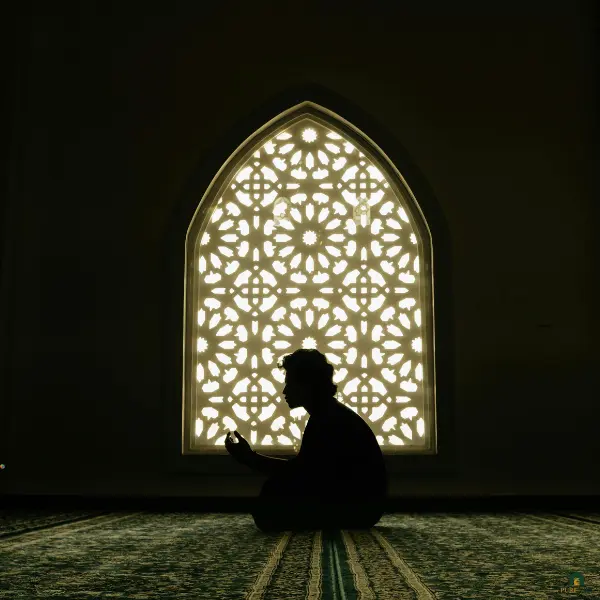
Ramadan trains the soul — self-discipline, patience, and consistent worship
Arguing and Losing Temper
"Fasting is not just from food and drink — fasting is from vain speech and foul language. If one of you is being cursed or annoyed, he should say: 'I am fasting, I am fasting.'"
— Prophet Muhammad ﷺ · Ibn Khuzaymah- Losing temper diminishes the spiritual reward of fasting
- Contradicts the self-control Ramadan is meant to teach
- Harms relationships and sets a poor example
✅ When Provoked — Do This Instead
- Say "I am fasting" as a reminder to yourself
- Walk away from heated situations
- Make dua for patience
- Remember: controlling anger earns immense reward
Practical tip: When you feel anger rising, make wudu — the water has a cooling, calming effect. Take deep breaths and remember Allah.
Reading Quran Without Understanding
Many Muslims rush to complete the Quran in Arabic but don't understand what they're reading. While reciting in Arabic carries tremendous reward, Ramadan is the month of guidance — reading without understanding means missing the transformative message.
❌ Incomplete Approach
- Racing through Arabic without reflection
- No translation read alongside
- Completing the Quran without understanding
✅ The Balanced Approach
- Recite in Arabic for the reward
- Read translation in your language
- Reflect on verses and their meaning
- Study tafsir for deeper insight
Practical tip: Set a dual goal — recite in Arabic and read the same portion in your language. Even completing part of the Quran with understanding is more beneficial than completing it without comprehension.
Treating Taraweeh as Optional
"Whoever stands (in prayer) during Ramadan with faith and seeking reward, his previous sins will be forgiven."
— Prophet Muhammad ﷺ · Sahih BukhariWhile Taraweeh is technically voluntary, it's a powerful Sunnah specific to Ramadan. Missing it means losing immense spiritual rewards, Quran recitation, and community connection.
- Pray at the mosque when possible
- If unable, pray at home — even shortened
- Involve your family in congregation
- Don't let fatigue or laziness prevent you
Practical tip: If full Taraweeh is difficult, pray what you can. Eight rak'ahs is better than none. Quality matters more than quantity.
Ignoring the Last 10 Nights
Many people maintain enthusiasm at Ramadan's beginning but lose momentum in the crucial final days — not knowing they're neglecting the most powerful nights of the year.
The last 10 nights contain Laylatul Qadr — worth more than 1,000 months (83+ years) of worship. The Prophet ﷺ would exert himself during these nights like no other time of the year.
❌ Common Errors
- Treating them like ordinary nights
- Shopping for Eid instead of worshipping
- Assuming you've done enough already
✅ Intensify Your Efforts
- Increase night prayers (Qiyam)
- Seek Laylatul Qadr on odd nights
- Make abundant dua and istighfar
- Perform i'tikaf if possible
Practical tip: Recite this special dua on the odd nights: "Allahumma innaka 'afuwwun tuhibbul 'afwa fa'fu 'anni" — O Allah, You are Pardoning, You love to pardon, so pardon me.

The last 10 nights — the most precious hours of the entire year
Wasting Time on Social Media
Ramadan is 29 or 30 days. Every hour counts. Spending hours scrolling, watching videos, or chatting unnecessarily means losing precious and irreplaceable worship time.
❌ Time Being Lost To
- Endless scrolling and reels
- Unnecessary chatting
- Following drama and news
- Mindless entertainment
✅ Replace It With
- Quran recitation and reflection
- Dhikr and istighfar
- Extra prayers
- Sharing beneficial Islamic content
Practical tip: Use app blockers during fasting hours. Designate specific times after iftar for checking messages — limit to 15–30 minutes maximum.
Forgetting to Make Dua
"Three supplications are not rejected: the supplication of a parent, the supplication of the fasting person, and the supplication of the traveler."
— Prophet Muhammad ﷺ · Ibn MajahEvery fasting person has duas that won't be rejected — especially during the fast, at the moment of breaking it, in the last third of the night, and on Laylatul Qadr. Don't waste this privilege.
- For forgiveness and mercy
- For guidance and righteousness
- For family, friends, and the Muslim ummah
- For personal needs and goals
Practical tip: Keep a dua list. Write down everything you want from Allah, and make those duas throughout Ramadan — in your own words, your own language, from the heart.
Forgetting the Spirit of Ramadan After It Ends
Perhaps the biggest mistake happens after Ramadan — returning to old habits as if the blessed month never happened. Ramadan is spiritual training, not a temporary break from sin.
- Maintain some level of night prayer (even 2 rak'ahs of Tahajjud)
- Continue regular Quran reading
- Keep giving charity consistently
- Stay connected to the mosque
- Fast voluntary days (Mondays, Thursdays, white days)
- Preserve the good character you developed
"The most beloved deeds to Allah are those that are most consistent, even if they are small."
— Prophet Muhammad ﷺ · Sahih BukhariPractical tip: Before Ramadan ends, set 3–5 specific goals to maintain afterward. Make them realistic and sustainable — small consistent deeds are more beloved to Allah than large ones that don't last.
🤍 Final Reflection
Avoiding these common Ramadan mistakes transforms the blessed month from routine ritual into life-changing transformation. Approach Ramadan with knowledge, sincerity, balance, and consistency.
If you recognize yourself in any of these mistakes — don't despair. Recognizing the error is the first step to correction. Start fresh today, and make the rest of Ramadan your best yet.
May Allah accept your fasts, guide you away from mistakes, and grant you the full rewards of this blessed month. 🌙
Continue Your Ramadan Journey 🌙




Allah Loves This Dua
