The Prophet ﷺ began post-prayer dhikr with "Allahumma Anta al-Salam" — not with "Subhanallah" or "Alhamdulillah." This ordering is deliberate. "Al-Salam" is the dhikr of transition — it acknowledges what salah just was (a meeting with Al-Salam) and declares the correct first word upon returning from it. "You are Al-Salam" is the acknowledgment of who you were just with. "From You comes peace" is the declaration that what salah gave you — the peace of the prayer — came from Him. The sequence of post-prayer dhikr is not arbitrary: the first statement is the correct theological transition from the prayer to the world.
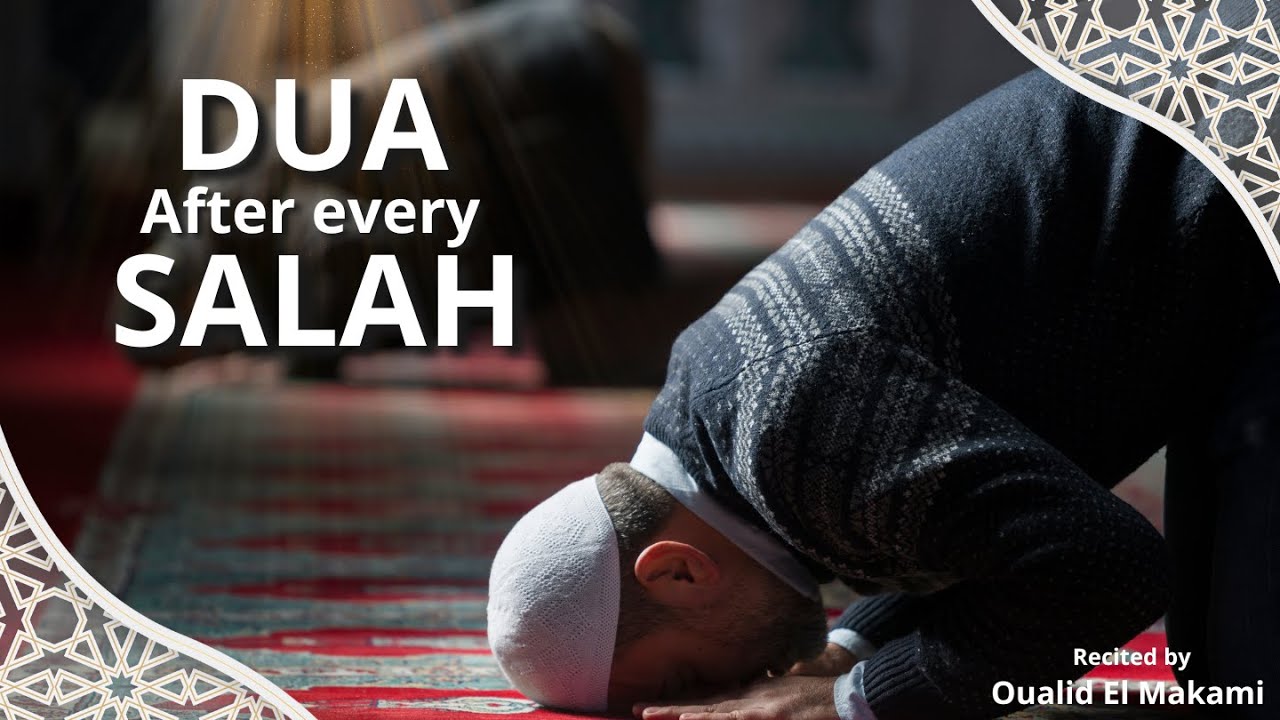
Five times every day, you stand before Allah. You bow. You prostrate. You sit in the final tashahhud. You turn right and left in taslim: "Assalamu 'alaykum wa rahmatullah." The prayer ends. And the first thing the Prophet ﷺ said — every single time, after every single prayer — was this:
"O Allah, You are the Source of Peace, and from You comes peace. You are blessed, O Lord of Majesty and Honor."
Not immediately into the day's concerns. The first word after prayer was about peace — Al-Salam — and the source of it. This is the sunnah of the transition: from salah to world, carrying peace from the One who is its source.
🤲 The Complete Dua After Every Salat
The Complete Post-Prayer Practice — In Order
"Assalamu 'alaykum wa rahmatullah" (right) · "Assalamu 'alaykum wa rahmatullah" (left) — the formal end of salah
"Allahumma Anta al-Salam wa minka al-salam, tabarakta ya Dhal-Jalali wal-Ikram" — before anything else
"Astaghfirullah" × 3 — seeking forgiveness for any shortcomings in the prayer just completed
Subhanallah × 33 · Alhamdulillah × 33 · Allahu Akbar × 33 — completed with "La ilaha illallah wahdahu..."
"Whoever recites Ayat al-Kursi after every obligatory prayer, nothing will prevent him from entering Paradise except death." (Nasa'i)
☮️ Al-Salam — The Name That Opens the Transition
📌 Why Al-Salam is the correct first post-prayer word: Prayer is a meeting with Allah. The salah itself ends with "Assalamu 'alaykum" — the greeting of peace. And immediately after, the first dhikr is about Al-Salam. You were just with Al-Salam. Returning from that meeting, the first thing said is: "You are Al-Salam." The greeting of the prayer (salam) and the first dhikr after it (Al-Salam) are connected — the entire salah is framed in peace, and the One who is its source is named immediately upon returning.
🔍 Word-by-Word Breakdown
"Anta" — You. Personal, direct, emphatic. The first thing declared about Allah after prayer is not "You are Great" or "You are the Provider" — it is "You are Al-Salam." This declaration, said immediately after prayer, is acknowledging who you just prayed to. The One who just received your Al-Fatiha is Al-Salam. The One in whose presence you just prostrated is Al-Salam. The One who was with you through every bow and every ruku' — is Al-Salam. This first declaration is the recognition of who He is at the moment of returning from being with Him.
"Wa minka" — and from You. "Al-salam" — the peace, the safety. All peace, everywhere, comes from Allah alone. The peace felt in prayer — that specific quality of stillness and connection — came from Him. This phrase does something important: it establishes the direction of peace. Peace does not come from circumstances, from people, from achievements. Peace comes from Allah. "Wa minka al-salam" answers the question the heart often asks: where does peace come from? Why does prayer sometimes produce peace that the day's circumstances cannot explain? Because peace comes from Al-Salam — from the One you just prayed to.
"Jalal" — majesty, awe-inspiring greatness, the quality that inspires reverence. Allah's jalal is His transcendent greatness — His power, His vastness, His being above all creation. "Ikram" — honor, generosity, nobility. Allah's ikram is His treatment of His servants — with generosity, dignity, and care. Together: the One who combines awesome majesty with generous personal honor. The Prophet ﷺ heard a man in prayer addressing Allah as "Ya Dhal-Jalali wal-Ikram" and said: "You have been responded to — so ask." (Tirmidhi, authenticated). This is considered one of the names through which the Ism al-A'zam is invoked — one of the names that, when used in supplication, produces the most certain response. Closing the post-prayer dua with this name turns the entire statement into the most powerful possible opening for anything that follows.
🕌 When to Recite This Dua
After Every Obligatory Prayer — Immediately After Taslim
Five times every day, without exception. Do not get up before saying it. Do not begin any conversation before saying it. It takes ten seconds. Make it the first thing every single time — as the Prophet ﷺ did.
After Voluntary Prayers — Sunnah and Nafl
The practice extends naturally to voluntary prayers. After every prayer, when you make taslim — this is the first word. The sunnah of transition from any prayer back to the world begins here.
When Carrying the Prayer's Peace Into What Comes Next
The prayer produced a quality of peace. Saying "Allahumma Anta al-Salam wa minka al-salam" is the conscious act of acknowledging where that peace came from — and asking to take it into the next moments.
Before Leaving the Masjid
Some scholars recommend saying this when leaving the masjid — acknowledging Al-Salam as you transition from the dedicated space of worship back into the world. The peace carried from the prayer declared at the threshold.
✨ 5 Benefits of This Post-Prayer Dua
Narrated in Sahih Muslim — the highest authentication. This was not occasional practice — it was the consistent first statement after every prayer. Following it is following the most reliable sunnah of post-prayer dhikr.
Al-Salam before anything else — the prophetic ordering of correct transition from prayer to world. Peace declared first: who it belongs to, where it comes from, and the blessed status of the One who possesses it.
Using "tabarak" exclusively for Allah — as the Quran does consistently — is the correct theological recognition of His unique, uncreated blessedness. This dua uses this exclusive word, making it among the most theologically precise post-prayer statements.
The Prophet ﷺ confirmed that supplication with this name is answered — "you have been responded to, so ask." Closing the post-prayer dua with this name turns the entire statement into an opening for the best possible response.
Five times every day — if said consistently — the person consciously acknowledges that each prayer was a meeting with Al-Salam, the source of peace. This repetition reshapes the understanding of salah: not a ritual to complete, but a meeting with the One whose name is Peace.
This dua takes approximately ten seconds. Said after every one of the five daily prayers — that is fifty seconds of the most authenticated post-prayer dhikr available. The Prophet ﷺ did not miss it once. Neither should we.
❓ Frequently Asked Questions
Five Times Every Day — The First Word After the Most Important Meeting of the Hour
You stand in salah. You bow and prostrate. You recite Al-Fatiha. You sit in tashahhud. You turn right and left: "Assalamu 'alaykum wa rahmatullah." The prayer is complete.
And the first thing the Prophet ﷺ said — every single time, five times every day, without exception — was:
"O Allah, You are Al-Salam. From You comes peace. You are Tabarak. O Lord of Majesty and Honor."
You were just with Al-Salam. You are returning from that meeting. The peace of the prayer came from Him. And He is blessed — and He is the Lord of Majesty and Honor — the One worthy of being addressed by the name that opens every door.
May Allah, Al-Salam, accept our prayers and grant us His peace — in our prayers, after them, and carried into every moment in between. And may He, the Lord of Majesty and Honor, bless us in the meeting of every salah.