
Night Prayers in Ramadan
Taraweeh & Qiyam Duas
The night prayers of Ramadan / Taraweeh and Qiyam al-Layl—are among the most spiritually rewarding acts of worship. The Prophet ﷺ said: "Whoever stands (in prayer) during Ramadan with faith and seeking reward, his previous sins will be forgiven." (Sahih Bukhari & Muslim). These nights are when hearts connect deeply with Allah, the Quran comes alive, and souls are elevated. These duas enhance the night prayer experience and help maximize its spiritual benefits.
📖 In This Guide:
🤲🏼 Dua Before Starting Night Prayer
📖 Source: Sahih Bukhari & Muslim — Opening dua for night prayer (Qiyam).
This dua glorifies Allah before standing in His presence during the night. It acknowledges His majesty, light, and complete control over all creation—setting the right spiritual tone for worship.
How to Practice:
Recite this dua after Isha prayer, before beginning your Taraweeh or Qiyam. Say it with focus and presence, reflecting on Allah's magnificence. This prepares your heart for the night ahead.
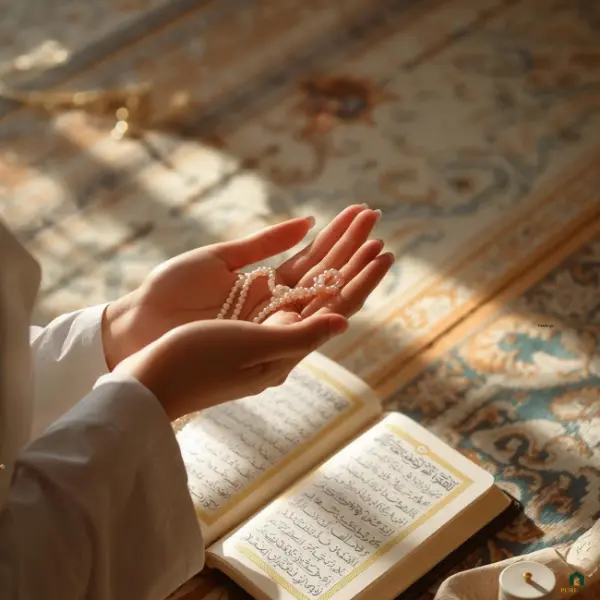
Hands raised in sincere supplication during Qiyam al-Layl
🤲🏼 Dua During Qiyam (Night Prayer)
📖 Source: Sahih Muslim — Dua of the Prophet ﷺ when starting Qiyam.
This comprehensive dua seeks Allah's guidance and truth. It's perfect for opening night prayers, asking for clarity, wisdom, and steadfastness on the straight path.
How to Practice:
Recite this during the opening moments of Qiyam al-Layl, especially in the last third of the night. Reflect on each divine name mentioned and the angels who serve Allah.
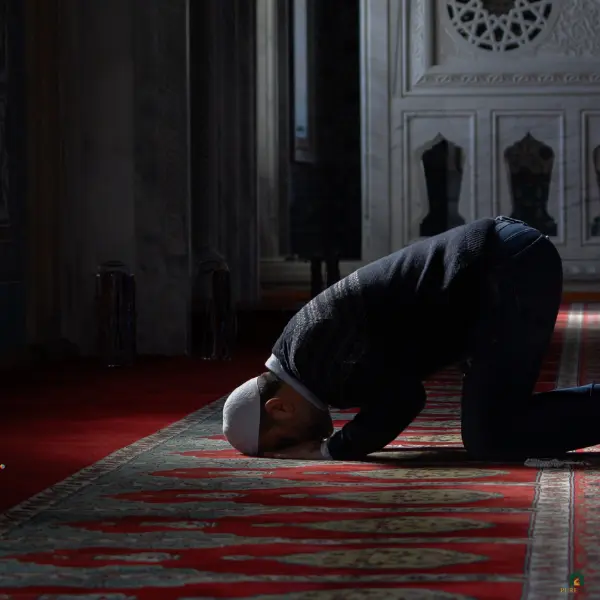
The closest position to Allah — in prostration (sujood)
🤲🏼 Dua in Sujood (Prostration) During Night Prayer
📖 Source: Obligatory during sujood — Sahih Muslim.
Extended version for night prayer:
During sujood in night prayers, one can prolong the glorification and add extra duas. The Prophet ﷺ said: "The closest a servant is to his Lord is when he is in prostration, so increase your supplications therein." (Sahih Muslim)
How to Practice:
In your night prayer, let sujood be long and unhurried. Begin with the obligatory glorification, then add the extended version. Pour your heart out to Allah — this is the closest you will ever be to Him.
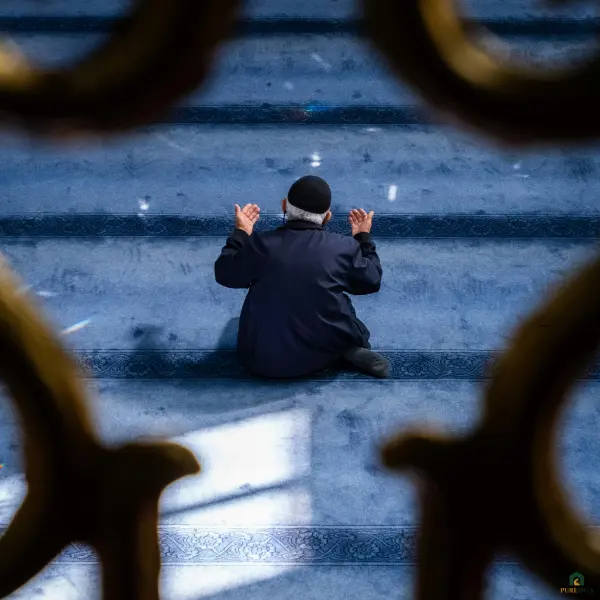
The stillness of the night — when the heart pours itself out to Allah
🤲🏼 Dua for Witr Prayer (Last Rak'ah of Night Prayer)
📖 Source: Sunan Abu Dawood & Tirmidhi — Dua of Qunut in Witr prayer.
This is the most famous dua recited in the last rak'ah of Witr, especially during Ramadan. It seeks Allah's guidance, protection, and blessings in all affairs.
How to Practice:
Recite this in the qunut of your Witr prayer after rising from ruku. Raise your hands and let its meaning fill your heart — this is your closing conversation with Allah for the night.
🤲🏼 Dua After Finishing Night Prayer
📖 Source: Sunan Ibn Majah — Dua to say after Fajr (also excellent after night prayer).
This dua is perfect to conclude night worship, asking Allah for the three essentials: knowledge that benefits, pure sustenance, and worship that He accepts.
How to Practice:
After your final salam in Witr, sit quietly and recite this dua. It beautifully seals your night of worship with a request for all that truly matters — knowledge, provision, and accepted deeds.
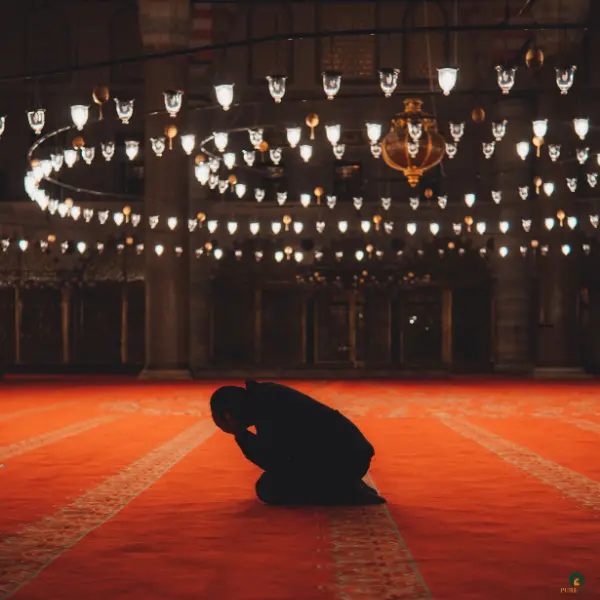
The final hours of the night — seeking closeness to Allah before dawn
📿 Dhikr During Night Prayer Pauses
Between rak'ahs or during breaks in Taraweeh, repeat istighfar silently. The night is when hearts soften, and seeking forgiveness during these blessed hours carries immense weight.
How to Practice:
Use every pause between rak'ahs in Taraweeh for silent dhikr rather than idle conversation. Let your lips keep moving even when the imam is resting. These brief moments accumulate into great reward throughout the night.
📖 Qur'anic Reminder About Night Prayer
📖 Source: Surah Al-Muzzammil 73:6
Allah confirms that night worship is the most powerful time for the heart to connect with words of remembrance. Ramadan nights are especially blessed for this connection.
🤍 Final Reflection
The night prayers of Ramadan are a gift—a time when the heart stands alone with Allah, free from worldly distractions. Through these Duas, the night prayer becomes not just physical movement, but a deep spiritual conversation with the Creator.
May Allah accept our Qiyam, forgive our sins, and grant us sincerity in every prostration.
Continue Your Ramadan Journey 🌙



The Greatest Zikr
