
Dua of Need
The Prophetic Supplication That Asks for Everything — from Forgiveness to Paradise to the Fulfillment of Every Need
This dua contains one of the most comprehensive asks in Islamic tradition. But the most remarkable element is: "wa la hajatan min hawa'iji al-dunya wal-akhirati illa qadaytaha wa yassartaha" — "do not leave any need from the needs of this world and the next except that You fulfill it and ease it." This single phrase makes Dua al-Hajah the most universally applicable supplication in Islamic tradition. It explicitly asks for every need of both worlds — without naming a single one. Then comes the instruction: "then you supplicate for your need." The dua prepares the ground of mercy — and then leaves the space open for your most personal, most specific asking.
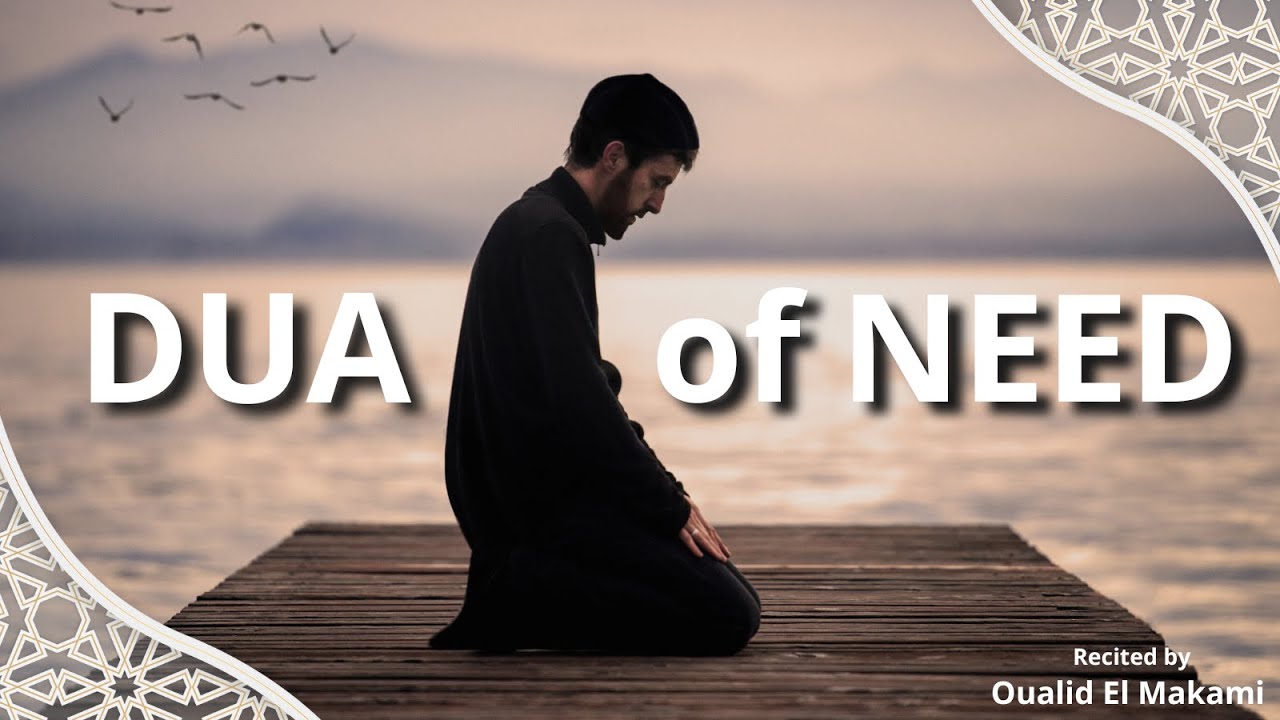
There is a supplication in Islamic tradition that does not ask for one specific thing. It asks for the conditions that make all good things possible — and then leaves space for you to name what you specifically need. It opens with praise. Then it asks for everything that leads to Allah's mercy, every cause of His forgiveness, every good deed's benefit, safety from sin, Paradise, deliverance from Hell. Then it asks Allah not to leave a single sin unforgiven, a single worry unrelieved, a single need of this world or the next unfulfilled.
And then — you bring your need. This is Dua al-Hajah.
🤲 The Complete Dua of Need
la tada' li dhanban illa ghafartah · wa la hamman illa farrajtah
wa la hajatan min hawa'iji al-dunya wal-akhirati illa qadaytaha wa yassartaha
birahmatika ya Arhama al-rahimin
The Seven-Part Structure — From Broadest to Most Personal
Mujibati rahmatik — Everything that leads to Your mercy
Not mercy itself — all the causes and conditions that produce it. The entire pathway to divine mercy asked for together.
'Aza'ima maghfiratik — The firm, definitive causes of Your forgiveness
"'Aza'im" — the most certain causes, the ones that make forgiveness not possible but determined.
Al-ghanimata min kulli birr — Maximum benefit from every good deed
"Ghanima" — full profit extracted. That every prayer, every sadaqah, every act of worship produces its complete reward.
Al-salamata min kulli ithm — Safety from every sin
Not just major sins. Every sin. "Salamah" — complete soundness and safety from all transgression.
Al-fawza bil-jannah — Success in attaining Paradise
"Fawz" — definitive triumph, actual attainment. Not hope of Paradise — the success of reaching it.
Al-najata min al-nar — Complete deliverance from the Fire
"Najah" — being completely saved and delivered. Paradise attained (5) and Hell escaped (6) — both ultimate outcomes covered.
✦ The Three Negations — Every Sin · Every Worry · Every Need of Both Worlds
No sin unforgiven · No worry unrelieved · No need of this world or the next unfulfilled and un-eased. The most comprehensive request in the entire dua.
🌱 The Wisdom: The Dua Prepares the Ground — Then You Plant the Seed
The instruction "thumma tad'u bihajatik" (then you present your need) is part of the transmitted practice. The Dua al-Hajah is not complete until after the person brings their specific need. The sequence has deep wisdom.
Praise opens. The seven requests invoke: mercy, forgiveness, good deed benefit, sin safety, Paradise, salvation, and the fulfillment of all needs. By the time the specific need arrives — Allah's mercy has been invoked through the most comprehensive supplication available.
Whatever brought you here. Whatever is pressing. Whatever has been waiting. Name it to Allah — in your own words, in your own language, with your own detail — in ground that has been prepared by mercy, forgiveness, and divine generosity already invoked.
📌 You are not presenting your need to a cold, unaddressed deity. You are presenting it to Allah whose mercy you have just invoked through the most comprehensive dua available. The specific need arrives on prepared ground — and prepared ground produces better results than unprepared ground.
🔍 Key Phrases Explained
"Mujibat" from "awjaba" — to make necessary, to necessitate. "Mujibati rahmatik" are the things that bring about Allah's mercy — the deeds, states, and conditions that are the causes of receiving divine mercy. The dua is not asking for mercy directly — it is asking for everything that leads to it. Asking for the cause before the effect, ensuring the root of mercy is established before the mercy itself flows.
"'Aza'im" — firm determinations, the most decisive and certain causes. From "'azama" — to be resolved, definitive. This asks not for general forgiveness but for the most certain, most decisive conditions that make forgiveness determined. The things that move forgiveness from Allah's capacity to its definitive, established dispensation upon this person.
"Hajatan" — a need, a necessity. "Min hawa'ij al-dunya wal-akhirah" — from the needs of this world AND the next. "Qadaytaha" — fulfill it, settle it, determine it to be met. "Wa yassartaha" — AND ease it, make it easy. Both. Not met through difficulty — met and made easy. The scope: any need, in either world, named or unnamed, large or small, spiritual or material.
📌 Why "hawa'ij al-dunya wal-akhirah" makes this the universal need dua: Most duas ask for worldly things or spiritual things. This phrase asks for both worlds simultaneously — making this the only supplication that explicitly covers every category and every dimension of human need. Whatever your specific need is — it falls within this phrase before you even name it.
"Hamm" — worry, anxiety, the weight of an unresolved matter pressing on the heart. "Farrajtah" from "farraja" — to open, to provide an opening, to relieve. The same root as "farj" — the opening that comes after difficulty. "Do not leave me any worry except that You provide an opening for it." Not that the worry is suppressed — but that the situation opens. The tight becomes spacious. The door that was closed becomes open through the "farj" that only Allah can create.
Everything in this dua is asked "birahmatika" — by Your mercy. Not by the merits of the person asking, not by their deeds or their standing. By Allah's mercy. "Ya Arhama al-rahimin" — O Most Merciful of the merciful. Among all who have ever shown mercy — parents, teachers, friends — Allah's mercy exceeds all of it. The One at the end of this most comprehensive of duas is the One whose mercy is greater than every need and every sin combined.
📖 The Islamic Understanding of Hajah (Need)
Islam places no hierarchy on the needs a person can bring to Allah. The Prophet ﷺ said: "Let each of you ask his Lord for all his needs — even for his shoestring when it breaks." (Tirmidhi). Everything can be a hajah brought before Allah. There is no need too small and no need too large. The Dua al-Hajah is the formal prophetic practice of presenting a need — with the correct opening, the correct invocation, and then the specific need placed in prepared ground.
The Prophet ﷺ also said: "Nothing repels divine decree except dua, and nothing increases lifespan except righteousness." (Tirmidhi). Dua is the one instrument that can interact with divine decree — not to change what Allah wills, but to be the means through which what Allah wills for you comes to you.
🕌 When to Use the Dua of Need
When You Have Any Important Need — Worldly or Spiritual
Its primary purpose. "Hawa'ij al-dunya wal-akhirah" — whether financial, health, relational, professional, spiritual, or existential — this dua is designed for it. No need falls outside its scope.
After Tahajjud — In the Last Third of the Night
The most powerful time for any personal dua. Recite the Dua al-Hajah in the last third of the night, then present your specific need. Allah descends and asks who is calling — be among those who call through the most comprehensive supplication available.
Before Making Any Significant, Important Dua
Use the Dua al-Hajah as the opening framework before your most important supplications. It establishes the ground of mercy and forgiveness before the specific ask — the dua that prepares all other duas.
When You Have Multiple Needs and Don't Know Where to Start
The dua asks for "any need from the needs of this world and the next." When you have many pressing needs, this dua covers them all simultaneously before you name the specific one that brought you today.
When a Need Has Been Unresolved for a Long Time
"Wa la hajatan min hawa'ij al-dunya wal-akhirati illa qadaytaha wa yassartaha." The dua explicitly asks for every need to be fulfilled — including ones that have been waiting. Bring the long-unresolved need through this dua with renewed conviction.
After the Obligatory Prayers
The time after each of the five daily prayers is specifically recommended for important duas. Make the Dua al-Hajah after Fajr or after any prayer when you are carrying a specific need — the ground of the prayer itself adds to the prepared ground of the dua.
✨ 6 Benefits of the Dua of Need
"Any need from the needs of this world and the next" — no other dua is explicitly this comprehensive. Whatever the specific need — financial, spiritual, health, relational, afterlife — it falls within this phrase before it is even named.
The seven requests that precede "then present your need" establish the mercy, forgiveness, and divine generosity that make the specific ask most likely to be answered. The specific need arrives on prepared ground — not cold, unaddressed territory.
"No sin left unforgiven" comes before "no need left unfulfilled." Sin can be a barrier to the fulfillment of needs. This dua clears the barrier first — asking for comprehensive forgiveness before presenting the specific request.
"Qadaytaha wa yassartaha" — fulfill it AND ease it. Not a hard-won fulfillment through ongoing difficulty. The need fulfilled with ease. Both dimensions asked for together in one phrase.
"Hawa'ij al-dunya wal-akhirah" — this world AND the next. Most people think of dua only for worldly needs. This dua explicitly asks for the needs of the afterlife — a good ending, forgiveness at death, the correct spiritual state, intercession on the Day of Judgment.
"Birahmatika ya Arhama al-rahimin." Everything is asked through Allah's mercy — not the person's merits. This is the most reliable basis: asking through what is certain (Allah's mercy is guaranteed and vast) rather than through what is uncertain (personal deserving).
❓ Frequently Asked Questions
You Have a Need. Prepare the Ground. Then Name It.
You have something you have been carrying. Something unresolved. Something that requires an answer from Allah. Before you name it — praise Him. The One you are about to ask is the Lord of all worlds.
Then ask for what no specific need can encompass: everything that leads to His mercy, every cause of His forgiveness, the full benefit from every good deed, safety from every sin, success in Paradise, deliverance from Hell. Ask that not one sin is left unforgiven, not one worry left unrelieved, not one need of this world or the next left unfulfilled and un-eased.
By His mercy. O Most Merciful of the merciful.
May Allah fulfill every need of this world and the next for everyone who makes this dua. May He leave no sin unforgiven, no worry unrelieved, and no need unmet. And may He ease what He fulfills — with His mercy, O Most Merciful of the merciful.